Understanding Stress and Anxiety
In today's fast-paced world, the terms stress and anxiety frequently permeate conversations, often leading to confusion surrounding their definitions and implications. While both are common responses to various pressures in life, understanding their nuances helps in addressing them more effectively. Stress and anxiety are interconnected but distinctly different from each other, influencing our emotions and behaviors in profound ways.
Defining Stress and Anxiety
Stress is typically a response to an external stimulus or pressure, manifesting as a sense of being overwhelmed or unable to cope. It can be short-lived, resulting from daily responsibilities such as work deadlines, financial difficulties, or relationship conflicts. Anxiety, on the other hand, is often characterized by persistent worry or fear, sometimes detached from any specific trigger. It can lead to physical reactions and ongoing feelings of dread, even when no immediate threat is present.
The Impact on Daily Life
Both stress and anxiety can significantly impact various aspects of daily life, including work performance, personal relationships, health, and overall wellbeing. Chronic stress can lead to physical ailments such as headaches, fatigue, and digestive problems. On an emotional level, stress can heighten irritability, lead to sleep disturbances, and foster a sense of loss of control. Anxiety can trigger panic attacks, heighten sensitivity to stress, and result in avoidance behaviors, further isolating affected individuals.
Common Triggers
Various factors can serve as both stressors and contributors to anxiety, including job-related pressures, personal relationship challenges, financial obligations, and health concerns. Environmental factors such as noise, overcrowding, and high-stakes situations also play roles. Understanding these triggers allows individuals to anticipate and manage their responses more effectively.
Identifying Causes of Stress and Anxiety
Awareness of the origins of stress and anxiety is critical in developing coping strategies. By delving deep into both external and internal influences, individuals can gain clarity on their emotional and psychological responses.
External vs. Internal Factors
External factors include situations or events that provoke a stress response, such as sudden changes in life circumstances or social demands. Internal factors encompass personal beliefs, fears, or thought patterns that contribute to anxiety. Recognizing the distinction enables a tailored approach to manage each source effectively.
Recognizing Early Signs
Identifying early signs of stress and anxiety can be transformative. Symptoms can manifest physically with fatigue or headaches, emotionally as irritability or lack of focus, and behaviorally through withdrawal from social situations. Keeping a watchful eye on these indicators creates an opportunity for individuals to take preventive measures before escalation occurs.
Psychological Impact
The psychological impact of unmanaged stress and anxiety can lead to chronic conditions like depression, post-traumatic stress disorder (PTSD), and other mental health issues. Recognizing the implications emphasizes the necessity for proactive coping strategies and interventions.
Proven Techniques to Reduce Stress and Anxiety
Effectively managing stress and anxiety requires the application of different techniques tailored to the individual’s needs. Here are some proven methods that have shown considerable success.
Meditation and Mindfulness Practices
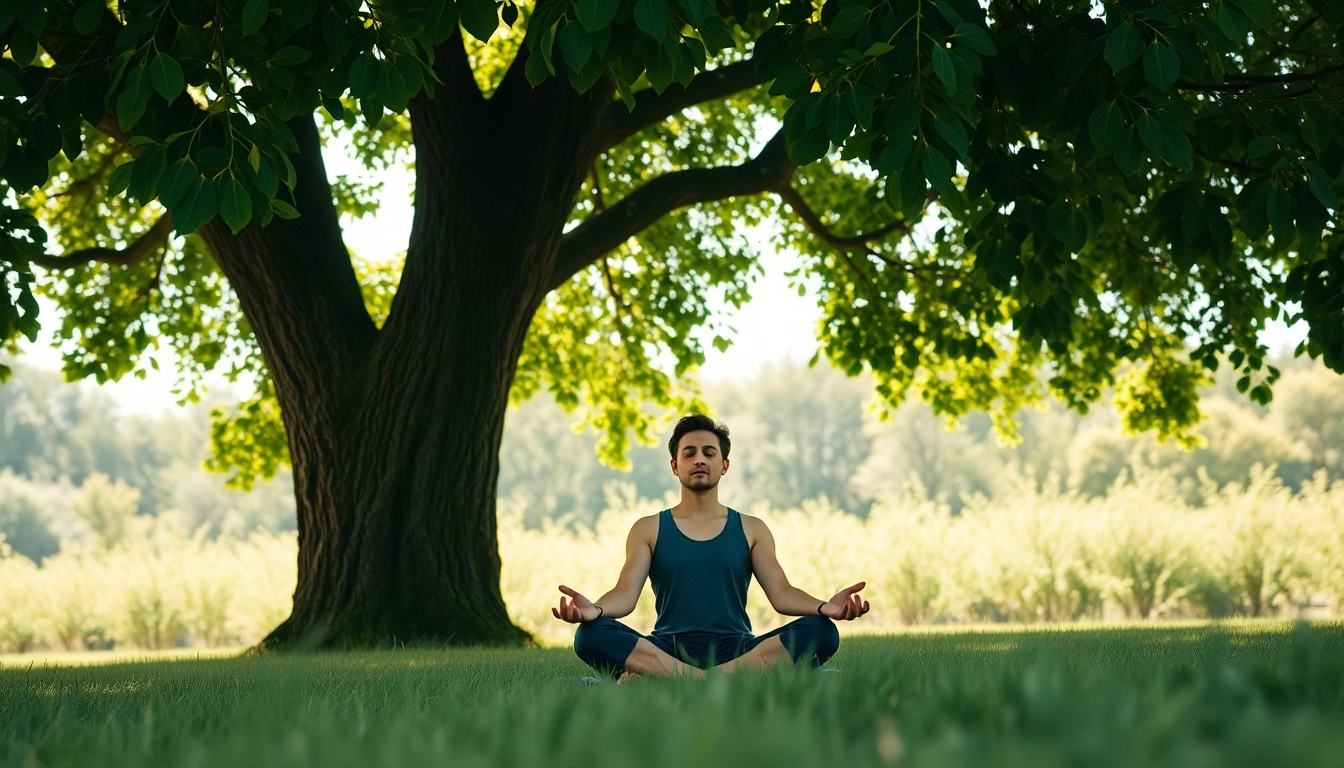
Meditation and mindfulness are among the most effective techniques to combat stress and anxiety. Consistent practice can foster a state of relaxation, reduce the frequency of distressing thoughts, and improve emotional regulation. Techniques such as breathing exercises, body scans, and guided imagery help anchor individuals in the present moment, facilitating a more balanced emotional state.
Physical Activity and Exercise
Engaging in physical activity is scientifically proven to alleviate symptoms of stress and anxiety. Exercise triggers the release of endorphins, promotes better sleep, and enhances overall mood. Regular physical fitness can include walking, running, yoga, or any activity that raises the heart rate and fosters a sense of accomplishment.
Healthy Lifestyle Choices
Healthy lifestyle choices, including a well-balanced diet, sufficient sleep, and limited alcohol and caffeine intake, play a vital role in managing stress and anxiety. Proper nutrition fuels the body, enabling it to cope better with stressors, while adequate rest strengthens mental resilience.
Building Resilience Against Stress and Anxiety
Building resilience is crucial for maintaining long-term emotional health. This involves developing coping strategies, seeking professional help when needed, and fostering strong support systems.
Developing Coping Strategies
Effective coping strategies include problem-solving, time management, and assertive communication. Additionally, reframing negative thoughts and practicing self-compassion can shift perspective, leading to a more resilient mindset.
Seeking Professional Help
When stress and anxiety become overwhelming, seeking professional help is essential. Therapists, counselors, and psychologists can provide support through cognitive-behavioral therapy (CBT), mindfulness-based therapy, and other specialized interventions aimed at promoting mental health.
Establishing Support Systems
A strong support system involving friends, family, or support groups can provide emotional support and encouragement. Sharing experiences fosters a sense of community and reduces feelings of isolation, which can be particularly beneficial during challenging times.
Measuring Progress and Success
Developing methods to measure progress in managing stress and anxiety can motivate individuals to continue their personal growth journey. Various tools and resources can help track improvements and identify areas needing attention.
Using Journals to Track Feelings
Maintaining a journal can effectively track feelings, thoughts, and behaviors associated with stress and anxiety. Putting pen to paper allows individuals to process emotions clearly and identify patterns that might require intervention.
Feedback from Support Networks
Engaging with support networks provides valuable feedback regarding personal coping strategies and emotional responses. Honest discussions can lead to insights on effective measures and motivate continual progress.
Continuing Education and Resources
Staying informed about new techniques, tools, and resources for managing stress and anxiety is vital. Workshops, seminars, online courses, and self-help literature can equip individuals with the knowledge they need for ongoing personal development.
Frequently Asked Questions
1. What is the difference between stress and anxiety?
Stress is a response to an external trigger, whereas anxiety is a persistent feeling of worry without an identifiable cause. Both can impact daily life significantly.
2. How can I tell if I need professional help?
If stress and anxiety interfere with daily functioning, relationships, or overall wellbeing, it may be time to seek professional support for effective coping strategies.
3. Can lifestyle changes help reduce anxiety?
Yes, healthy lifestyle changes, including regular exercise, balanced nutrition, and quality sleep, can significantly contribute to managing stress and anxiety.
4. What role does mindfulness play in managing stress?
Mindfulness helps bring awareness to the present moment, reducing stress and anxiety by promoting relaxation and a healthier emotional response.
5. Is journal writing effective for stress management?
Absolutely! Keeping a journal enables individuals to process their feelings, recognize patterns, and foster emotional clarity, thus contributing to stress management.