Understanding Mirror and LED Lights
What are Mirror and LED Lights?
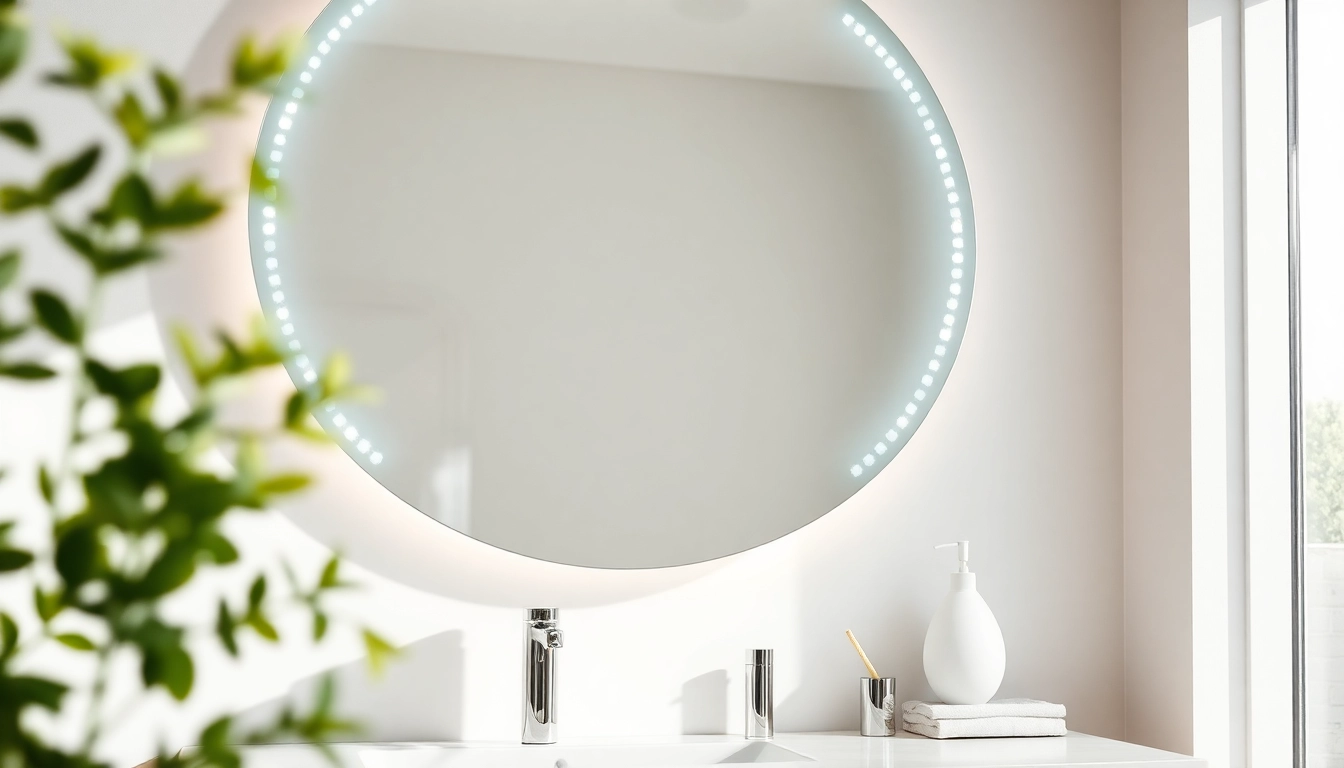
Mirror and LED lights combine two essential elements in modern interior design. Mirrors serve as a practical and decorative feature in any space, providing a reflection that enhances brightness and creates the illusion of more space. LED lights, known for their energy efficiency and longevity, are often integrated with mirrors to provide illumination that is both functional and aesthetically pleasing. This pairing is commonly found in bathrooms, dressing areas, and hallways where quality lighting is crucial.
The technology behind LED lights promises not only vibrant brightness but also versatility in color temperatures, enabling users to customize the light quality according to their needs. The merger of these two elements revolutionizes the traditional use of mirrors, ushering in a new aesthetic era that caters to both utility and style. Opt for mirror and led lights for an elegant touch to any space.
Benefits of Using Mirror and LED Lights
The benefits of incorporating mirror and LED lights into your home are numerous and impactful:
- Enhanced Brightness: LED lights provide bright, even illumination that is essential for activities such as grooming and makeup application.
- Space Illusion: Mirrors can create the illusion of larger spaces, making small rooms feel more expansive when combined with ample lighting.
- Energy Efficiency: LED lights consume significantly less energy than traditional bulbs, making them a cost-effective choice over time.
- Longevity: With a lifespan of up to 50,000 hours, LED lights outlast traditional bulbs, minimizing the need for replacements.
- Style Versatility: There is a wide range of designs available, ensuring that mirrors and LED lights can complement any decor style—from minimalist to opulent designs.
- Customization: Many mirror and LED light combinations allow for adjustable brightness and color temperatures, providing flexibility for different settings and moods.
Types of Mirror and LED Lights Available
When it comes to choosing mirror and LED light combinations, the options are diverse. Here are the primary types you might consider:
- Backlit Mirrors: These mirrors feature embedded LED lights along the edges, providing a soft glow that enhances visibility without harsh shadows.
- Illuminated Vanity Mirrors: Specifically designed for makeup application, these mirrors often include adjustable lighting features to simulate different environments.
- Magnifying Mirrors: These mirrors typically come with integrated LED lights, ideal for precise grooming tasks.
- Smart Mirrors: Advanced models may include smart technology, enabling features such as touch control and Bluetooth connectivity for added convenience.
Choosing the Right Mirror and LED Lights for Your Space
Size Considerations for Mirror and LED Lights
Selecting the correct size of mirror and LED lights is crucial to achieving a balanced look. The size should not only fit well within the available space but should also serve its intended purpose effectively. For instance:
- In smaller bathrooms, a compact backlit mirror can maximize light without overwhelming the space.
- In larger rooms, a grand vanity mirror with bright LED lights can serve as a stunning focal point while providing adequate lighting for tasks.
- Always consider the height at which the mirror will be mounted, ensuring optimal usability for everyone who will use it.
Design Styles That Complement Mirror and LED Lights
When selecting mirror and LED lights, consider how they will coordinate with your existing decor to enhance overall aesthetic appeal:
- Modern Designs: Opt for sleek, frameless mirrors with minimalistic LED lighting for a contemporary feel.
- Classic Styles: Choose ornate framed mirrors with warm LED lighting for a traditional, luxurious appearance.
- Industrial Themes: Go for mirrors with metal frames paired with exposed LED lighting elements for a raw, urban vibe.
Material Quality for Mirror and LED Lights
Quality matters when it comes to the materials used for mirrors and LED lights. Consider the following aspects:
- Mirror Quality: Opt for mirrors with high-quality glass to prevent distortion and ensure clear reflection.
- Frame Material: Choose frames made from durable materials such as metal or high-quality wood for longevity and stability.
- LED Durability: Assess the build quality of LED lights, as robust designs will outperform cheaper, less durable options.
Installation Tips for Mirror and LED Lights
Tools Needed for Installation
Before starting the installation process, gather the following tools:
- Drill with appropriate bits for your wall type
- Measuring tape for precise alignment
- Level to ensure the mirror is straight
- Screwdriver and screws (often provided with the mirror)
- Stud finder if mounting on drywall
Step-by-Step Installation Guide
Installing mirror and LED lights can be accomplished using the following steps:
- Measure the Area: Determine the exact location for the installation and mark it on the wall with a pencil.
- Check Level: Use the level to ensure the line is straight.
- Locate Studs: If necessary, use a stud finder to locate wall studs for secure mounting.
- Drill Holes: Drill holes in the wall at the marked locations, ensuring the size is suitable for your screws.
- Mount the Mirror: Carefully lift and align the mirror with the drilled holes, securing it with screws.
- Connect LED Lights: Follow the manufacturer’s instructions for connecting and positioning any integrated LED lights.
- Final Checks: Step back to verify alignment and make any adjustments before cleaning the surface to remove any fingerprints.
Common Mistakes to Avoid
To ensure smooth installation and functionality of your mirror and LED lights, watch out for these common mistakes:
- Not checking the weight capacity of the wall—use appropriate anchors for heavier mirrors.
- Forgetting to measure multiple times before drilling.
- Ignoring the placement of electrical outlets when installing LED lights.
- Neglecting the need for a GFCI outlet in areas like bathrooms for safety.
Maintenance of Mirror and LED Lights
Cleaning Your Mirror and LED Lights
Keeping your mirror and LED lights clean will ensure optimal performance and appearance. Follow these cleaning tips:
- Use a soft microfiber cloth and a gentle glass cleaner to prevent scratches on the mirror surface.
- For LED lights, a damp cloth can suffice; avoid harsh chemicals that could damage the finish.
- Make a routine of cleaning mirrors and lights every two weeks to maintain clarity and brightness.
Practicing Safety with Mirror and LED Lights
Safety is paramount when dealing with electrical components and potentially fragile items like mirrors:
- Always ensure that LED lights are turned off and disconnected from power during maintenance or cleaning.
- Follow the manufacturer’s guidelines for installation to avoid electrical hazards.
- For larger mirrors, consider using a second person during installation to prevent accidental drops or injuries.
Extending the Lifespan of Your LED Lights
LED lights come with impressive longevity, but there are ways to maximize their lifespan:
- Dimmer switches can be used to control brightness and reduce strain on the LEDs.
- Avoid placing mirrors in direct sunlight or extreme temperatures to prevent overheating and fading.
- Periodically check connections and replace any struggling components immediately to maintain overall performance.
FAQs about Mirror and LED Lights
What features should I consider in mirror and led lights?
Look for brightness, color temperature, and energy efficiency for optimal functionality.
Can I install mirror and led lights myself?
Yes, most installations are user-friendly, requiring basic tools and safety precautions.
Are mirror and led lights energy-efficient?
LED lights are highly energy-efficient, reducing electricity consumption and costs.
What is the typical lifespan of LED lights in mirrors?
LED lights can last up to 50,000 hours, making them a durable choice for home use.
How do I choose the right brightness for mirror and led lights?
Consider the room size and purpose; brighter settings are ideal for tasks like makeup application.