
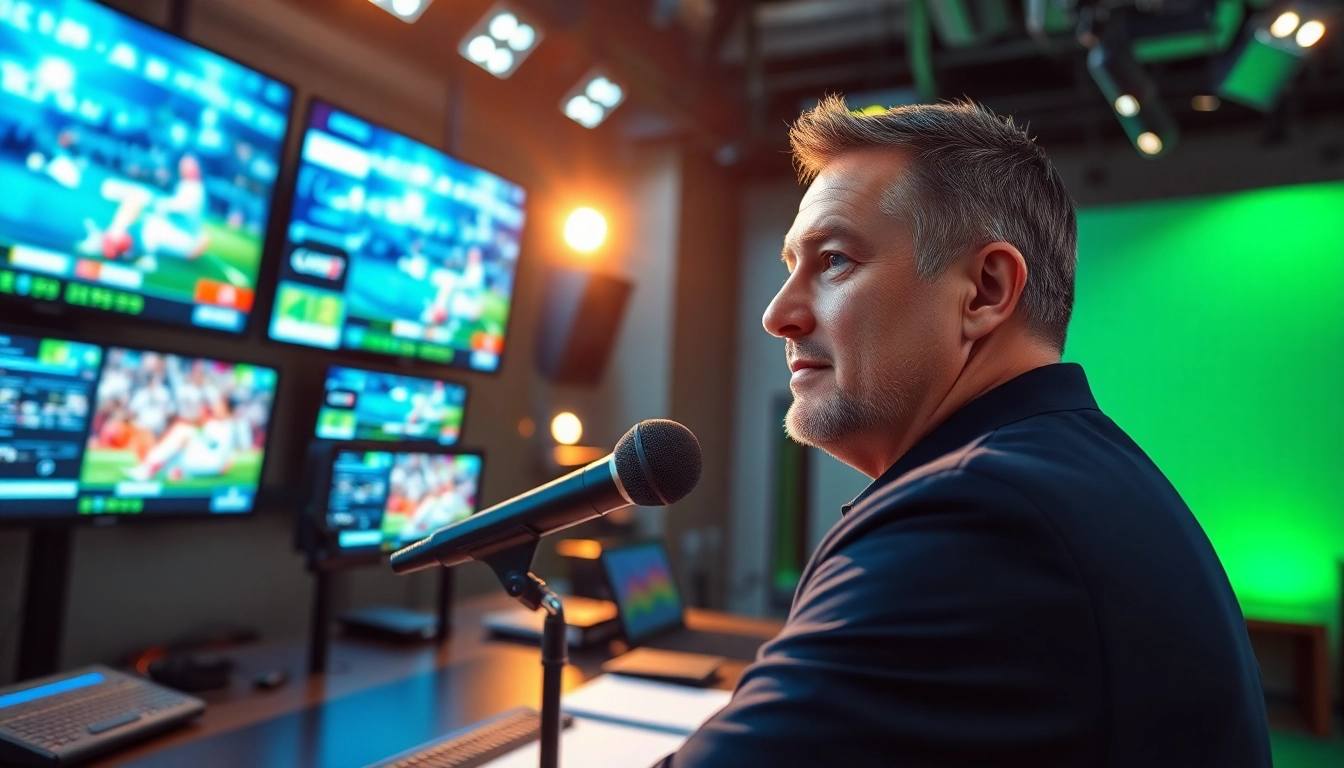
Understanding Sports Broadcasting
Definition of Sports Broadcasting
Sports broadcasting refers to the dissemination of sports events and related content to an audience through various media channels, such as television, radio, and online platforms. The primary goal is to provide live coverage of games, commentary, analysis, and highlights to engage fans and viewers. As society increasingly consumes content digitally, the term has expanded to include streaming services, podcasts, and social media broadcasts.
The growth of Sports Broadcasting has transformed how fans experience their favorite sports, elevating engagement levels and creating communities that interact in real-time.
Key Components of a Broadcast
Successful sports broadcasting relies on several key components that work together to create a compelling experience for viewers:
- Live Coverage: Delivering real-time action and commentary from the playing field, including play-by-play narration and color commentary.
- Production Team: A dedicated crew, including producers, directors, camera operators, and audio engineers, who collaborate to ensure high-quality broadcasts.
- Graphics and Data: Utilizing data analytics and graphics to provide insights like player statistics, scores, and on-screen graphics that enhance storytelling.
- Audience Engagement: Interacting with viewers through social media, polls, and live chats, keeping the audience invested beyond just watching.
Different Formats in Sports Broadcasting
Sports broadcasting encompasses various formats, catering to the diverse preferences of audiences:
- Television Broadcasting: Traditional format, with networks offering live broadcasts and specialized sports channels for in-depth coverage.
- Radio Broadcasting: Provides audio coverage of live events, often appealing to fans on the go who prefer listening to the unfolding action.
- Streaming Services: Platforms like Netflix or dedicated sports services allow viewers to watch games live or on-demand, offering flexibility and accessibility.
- Social Media Live Streaming: Engaging fans directly through platforms like Instagram Live, Facebook Live, or Twitter, often featuring behind-the-scenes access or interactive content.
Technology in Sports Broadcasting
Essential Equipment for Broadcasting
The backbone of sports broadcasting is its technology. Key equipment includes:
- Cameras: High-definition cameras, including drones and 360-degree cameras, capture the action from diverse angles.
- Audio Equipment: Microphones, headsets, and soundboards ensure clear communication between analysts and seamless viewer experiences.
- Production Software: Programs for editing, graphics integration, and real-time data display are essential for creating engaging broadcasts.
- Transmission Technology: Satellite and fiber-optic technologies guarantee reliable signal transmission to maintain broadcast quality.
Emerging Technologies in Sports Broadcasting
As technology evolves, so does sports broadcasting. Some emerging technologies include:
- Artificial Intelligence: AI algorithms analyze player performance data, enhancing commentary and providing insights during broadcasts.
- Augmented Reality (AR): AR overlays real-time statistics and analyses onto the playing field, increasing viewer engagement.
- Virtual Reality (VR): Immersive viewer experiences allow fans to feel as though they are part of the game, viewing from players’ perspectives.
- Streaming Enhancements: Technologies that reduce latency and improve streaming quality are essential, especially for live events.
Impact of Streaming Services on Traditional Broadcasting
The rise of streaming services has significantly altered the sports broadcasting landscape. Viewers now prioritize flexibility, often opting for subscriptions over cable packages. Major impacts include:
- On-Demand Content: Fans can watch games and highlights on their schedule, enhancing the user experience.
- Cost-Effective Solutions: Many streaming platforms offer lower subscription prices compared to traditional cable fees.
- Increased Accessibility: Streaming makes it easier for global audiences to access sports content, expanding the fan base.
- Content Variety: Streaming services can offer a wide range of sports and niche programming that traditional broadcasters may not provide.
Careers in Sports Broadcasting
Roles and Responsibilities
Careers in sports broadcasting are diverse, covering a range of roles that contribute to the broadcasting experience:
- Sports Broadcaster: Present live commentary and analysis, often fronting broadcasts and engaging viewers.
- Sports Reporter: Cover stories around teams, players, and events, often providing insights and interviews.
- Camera Operator: Capture the action from various angles, ensuring a dynamic viewing experience.
- Producer: Oversee the broadcast production, coordinating logistics, crew, and content to create cohesive programming.
Skills Required for Success
Success in sports broadcasting demands a mix of technical and interpersonal skills:
- Communication Skills: Clarity and charisma in delivering live commentary and engaging with the audience are crucial.
- Technical Proficiency: Comfort with broadcasting equipment and software enhances broadcasting capabilities.
- Analytical Abilities: Understanding sports analytics allows professionals to provide insightful commentary and analysis.
- Adaptability: Professionals must think on their feet, reacting to live events and unexpected developments.
Career Path and Advancement Opportunities
Sports broadcasting offers various pathways, and professionals can advance through:
- Networking: Building relationships within the industry can unlock new opportunities and collaborations.
- Experience Gaining: Starting in smaller markets or as interns allows for skill development and industry experience.
- Continuous Learning: Staying updated with the latest technologies and trends ensures relevance and competitiveness.
- Specialization: Focusing on specific sports or broadcasting styles can differentiate professionals in a crowded market.
Challenges in Sports Broadcasting
Dealing with Live Events and Unexpected Issues
Live sports broadcasts can often be unpredictable. Broadcasters face challenges like:
- Technical Failures: Equipment malfunctions or connectivity issues can disrupt broadcasts, requiring quick problem-solving.
- Unexpected Events: Injuries or controversial moments need immediate responses and analysis to maintain viewer engagement.
- Time Constraints: Broadcasters must deliver timely content while ensuring accuracy amidst fast-paced environments.
- Weather Conditions: Adverse weather can hamstring outdoor broadcasts, requiring rapid adaptations to maintain coverage.
Maintaining Viewership and Engagement
In an era of numerous entertainment options, retaining viewer interest is vital. Strategies include:
- Interactive Content: Polls, quizzes, and live Q&A sessions encourage audience involvement, boosting engagement.
- Catering to Diverse Audiences: Providing content in multiple languages or focused on various age groups can attract a wider viewer base.
- Utilizing Analytics: Measuring viewer preferences and behaviors helps tailor content that resonates with the audience.
- Quality Production: High production values remain essential, fostering a professional image and encouraging loyalty.
Regulatory Considerations in Broadcasting
Sports broadcasters must navigate complex regulations, including:
- Licensing Issues: Acquiring rights to air events, including negotiations with leagues and teams, can be challenging.
- Content Regulations: Guidelines on advertising, sponsorship, and fair use dictate how content can be presented.
- Broadcast Rights: Adhering to contracts and agreements for distribution across platforms is essential to avoid legal conflicts.
- Privacy Concerns: Ensuring compliance with laws related to data protection and consent when featuring individuals in broadcasts.
Future Trends in Sports Broadcasting
Analyzing Consumer Behavior and Preferences
Understanding audience behavior is vital for future broadcasting strategies. Key trends include:
- Increased Consumption of Highlight Clips: Fans prefer short clips over full games, which necessitates adaptation in content delivery.
- Demand for Instant Analysis: Viewers expect immediate breakdowns of plays, often seeking faster insights via social media.
- Rise of Niche Sports: More viewers are exploring lesser-known sports, requiring broadcasters to diversify content offerings.
- App Usage: Mobile and tablet usage dominates, necessitating platforms that cater to on-the-go viewing experiences.
Integration of Augmented Reality and Virtual Reality
AR and VR are set to play pivotal roles in engaging viewers by:
- Enhancing Fan Experience: AR features can add layers of information directly onto viewing screens, enriching fan engagement.
- Die-hard Fan Immersion: VR technology allows fans to feel as if they are within the venue, experiencing the game firsthand.
- Training and Analysis: Teams can employ VR for training, creating simulations that improve player performance.
- Innovative Storytelling: Combining AR and VR offers new storytelling avenues that captivate modern audiences.
Preparing for the Next Generation of Broadcasting
As the industry evolves, preparing for future challenges will require:
- Investing in Technology: Upgraded equipment and software dedicated to AR and VR advancements will be essential.
- Training Professionals: Continuous education and training will help staff adapt to new technologies quickly.
- Building Stronger Partnerships: Collaborations with tech companies can lead to innovations in broadcasting methods and viewer experiences.
- Engaging Innovative Storytellers: Encouraging creative professionals to innovate content presentations will capture thriving audiences.
Frequently Asked Questions (FAQs)
What is sports broadcasting?
Sports broadcasting entails the transmission of sports events and content through various media, including television, radio, and online platforms.
What are the key roles in sports broadcasting?
Key roles include sports broadcasters, reporters, camera operators, and producers, each playing an essential part in delivering the broadcast.
How has technology impacted sports broadcasting?
Technology has facilitated live broadcasts, enhanced viewer engagement, and introduced new formats, including streaming services and interactive content.
What challenges do sports broadcasters face?
Challenges include unexpected live events, maintaining viewer engagement, and navigating complex regulatory frameworks in broadcasting.
How is the future of sports broadcasting evolving?
The future involves more integration of AR and VR, strategic consumer behavior analysis, and innovations in delivering content to diverse audiences.