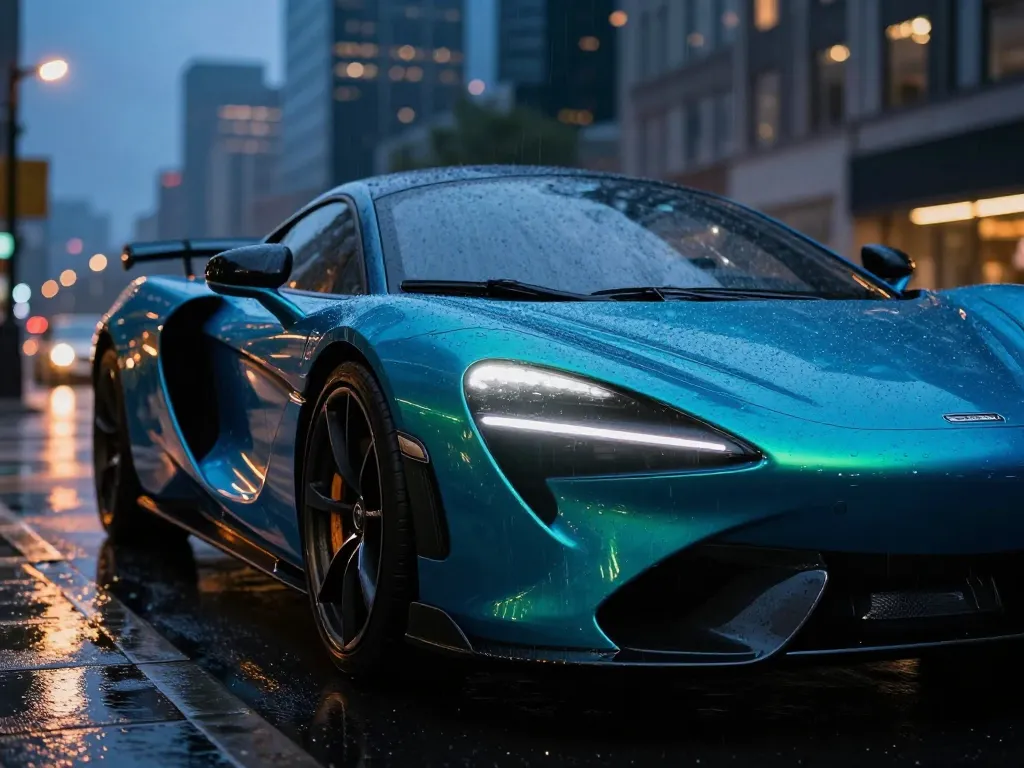
Understanding PPF Winter Road Salt Protection
Winter brings unique challenges for vehicle owners, particularly when it comes to the effects of road salt on automotive exteriors. One effective solution to combat this issue is the application of Paint Protection Film (PPF). This article will dive deep into the concept of PPF winter road salt protection, exploring what PPF is and how it serves as an effective barrier against the damaging elements of winter.
What is PPF and Its Benefits?
Paint Protection Film (PPF) is a transparent urethane film that is applied to the painted surfaces of vehicles, offering an array of significant benefits. Initially developed for military applications, its popularity has surged in the automotive industry due to the remarkable protection it provides.
- Protection Against Scratches: PPF is designed to absorb impacts from road debris, minimizing scratches and chips that can mar a vehicle's surface.
- Self-Healing Properties: Many modern PPFs have self-healing capabilities, meaning they can repair minor abrasions and swirl marks with exposure to heat.
- UV Protection: PPF shields the paint from harmful UV rays, preventing fading and oxidation over time.
- Enhanced Resale Value: A well-maintained vehicle with a high-quality paint finish supported by PPF can yield a higher resale value.
Importance of Winter Road Salt Protection
Winter road salt is essential for maintaining safe driving conditions, but it poses a serious threat to vehicle paint. As vehicles navigate salty roads, the potential for corrosion and long-term damage to the underlying metal surfaces increases significantly. PPF acts as a barrier, preventing the salt from reaching the vehicle's paint and metal, thus extending its lifespan.
How PPF Enhances Vehicle Longevity
By providing a protective layer, PPF actively contributes to a vehicle's longevity. It prevents damaging elements such as road salt, gravel, and sun exposure from creating wear and tear on the surface. By maintaining the integrity of the vehicle's exterior, PPF not only ensures aesthetic appeal but also supports the vehicle's overall functionality and performance.
Choosing the Right PPF for Winter Conditions
Not all PPFs are created equal, especially when considering the specific requirements for winter conditions. Understanding the key features and product options is essential when making a selection.
Key Features to Look For in PPF
- Thickness: A thicker film can offer better protection against abrasions and impacts.
- Durability Ratings: Look for films that are specifically rated for long-term use in harsh weather conditions.
- Self-Healing Technology: Films with self-healing properties are pivotal for maintaining the appearance after exposure to winter conditions.
- Hydrophobic Properties: Choose PPFs that repel water, ensuring that road salt and moisture can be easily washed away.
Top Brands and Their Offerings
While this guide will not name specific brands, it is crucial to explore well-known manufacturers in the PPF market who develop products tailored for winter protection. Look for films that receive high marks for performance in cold climates and customer satisfaction.
Comparative Analysis of PPF Types
When considering PPF, potential buyers should evaluate the differences among various types of films available on the market, including:
- Transparent vs. Colored PPF: Transparent films provide subtle protection, while colored films offer additional customization.
- DIY Kits vs. Professional Installation: Assess the pros and cons of self-installation versus hiring professionals, especially in terms of long-term effectiveness.
- Different Finishes: Options range from gloss to matte finishes, influencing the aesthetic appeal of your vehicle's protection.
Applying PPF Winter Road Salt Protection: Step-by-Step
For those who decide to apply PPF themselves or to understand the application process better, here’s a detailed step-by-step guide to ensure a successful installation.
Necessary Tools and Materials
Before beginning the installation, gather the necessary tools and materials:
- Pkill wash soap
- Lint-free microfiber cloths
- Spray bottle with soapy water
- Application squeegee
- Heat gun (optional, for curved areas)
Preparation of the Vehicle Surface
Preparing the vehicle’s surface is critical for ensuring proper adhesion of PPF. Follow these steps:
- Thoroughly wash the vehicle to remove any dirt, grime, or contaminants.
- Use the clay bar technique to eliminate embedded contaminants.
- Dry the surface completely to avoid trapping moisture under the film.
Application Techniques for Best Results
When applying PPF, techniques can significantly influence the outcome. Consider these tips:
- Start with smaller sections to control the application.
- Use the soapy water solution to wet both the film and the application surface, aiding maneuverability.
- Firmly press down with the squeegee to remove air bubbles and excess water.
- Warming the edges with a heat gun can help the film conform better to rounded surfaces.
Maintaining PPF Winter Road Salt Protection
Proper maintenance is crucial to ensure that PPF remains effective throughout winter and beyond. Here are tips to extend the lifespan of your protective film.
Care Tips to Maximize PPF Lifespan
Maintaining your PPF requires simple yet effective practices:
- Regularly wash the vehicle using mild car soap and a soft sponge.
- Avoid using harsh detergents or abrasive materials that can scratch the film.
- Consider applying a ceramic coating over the PPF for additional protection.
Common Mistakes to Avoid
To ensure the effectiveness of PPF, avoid the following mistakes:
- Neglecting to clean the surface thoroughly before application.
- Choosing low-quality PPF that doesn't stand up to winter conditions.
- Applying PPF in humid or cold temperatures which can affect adhesion.
When to Reapply or Replace PPF?
Understanding the lifespan of PPF is key to managing its protective qualities. Factors such as UV exposure, road conditions, and maintenance will influence when to replace it. Generally, PPF can last anywhere from 5 to 10 years, but signs of bubbling, discoloration, or peeling indicate it's time for replacement.
FAQs About PPF Winter Road Salt Protection
How long does PPF last in winter conditions?
PPF can last between 5-10 years, depending on maintenance and environmental challenges, including winter conditions.
Can PPF be removed without damage to the paint?
Yes, high-quality PPF can be removed without damaging the underlying paint, provided it is done carefully and properly.
Is PPF worth the investment for winter driving?
Yes, investing in PPF for winter driving protects against corrosive road salt and maintains your vehicle's resale value.
What's the difference between PPF and wax for winter?
PPF offers permanent protection against chips and scratches, whereas wax provides temporary gloss and minimal protection against elements.
How does PPF protect against road salt specifically?
PPF creates a barrier that prevents road salt from contacting the vehicle's metal and painted surfaces, thus reducing corrosion risk.