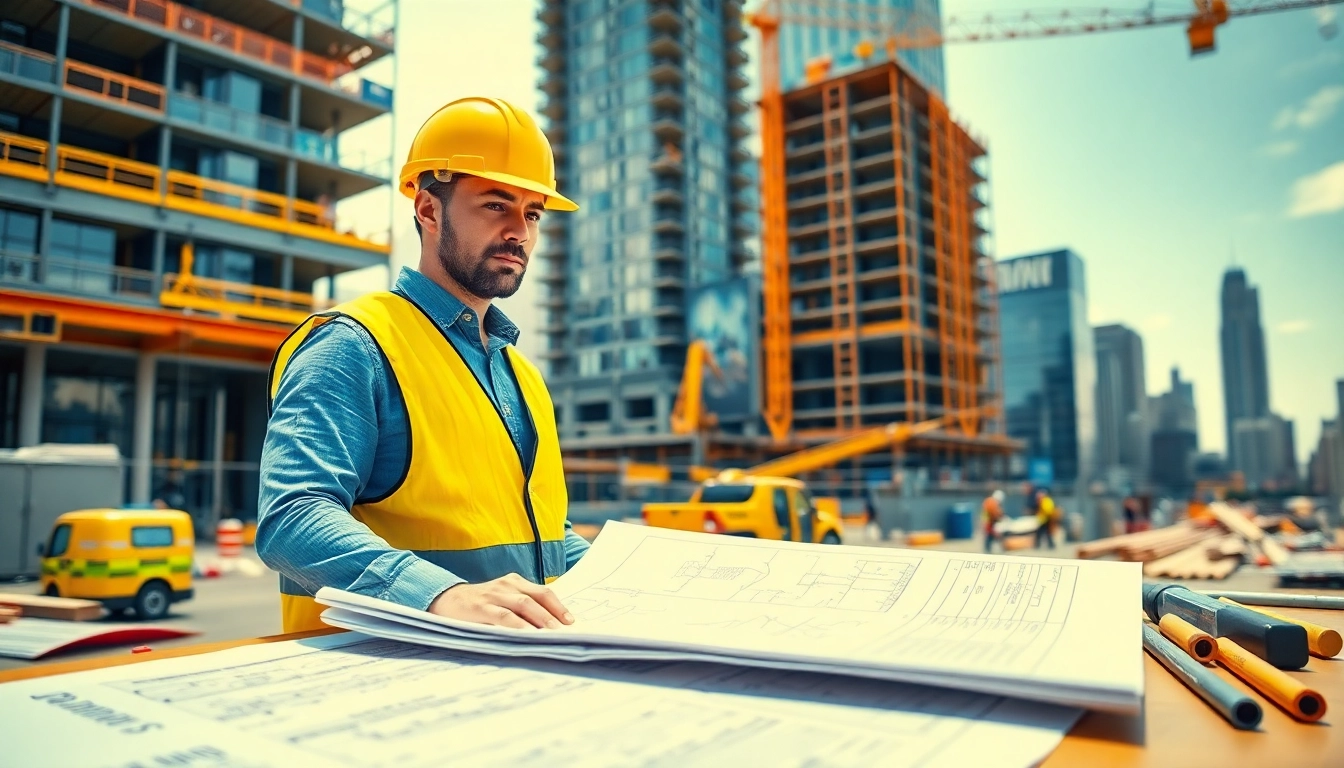
The Role of a New York City Construction Manager
In the complex landscape of New York City’s construction industry, the role of a New York City Construction Manager is indispensable. These professionals are the linchpins that hold multifaceted projects together, overseeing everything from inception to completion. Their influence can dictate the efficiency, safety, and success of construction endeavors within one of the most vibrant but challenging urban environments in the world.
Defining Key Responsibilities
The responsibilities of a New York City Construction Manager are broad and dynamic. Primarily, they are tasked with project planning, scheduling, budgeting, and staff management. They coordinate subcontractors and vendors, ensuring that all aspects of the project align with local regulations and client expectations. Effective communication is crucial, as they act as the primary liaison between clients, architects, and construction crews, often making vital decisions that can impact project outcomes.
Skills Essential for Success
To thrive as a New York City Construction Manager, one must possess a unique blend of technical and interpersonal skills. Technical knowledge in construction methods, materials, and engineering principles is fundamental. Additionally, strong leadership abilities are essential to inspire teams and promote collaboration. Proficiency in project management software and tools can also enhance efficiency. Lastly, an understanding of local zoning laws, safety regulations, and environmental compliance is critical for navigating New York City's distinctive regulatory landscape.
Industry Impact on Projects
The role of a New York City Construction Manager goes beyond mere oversight; it significantly impacts the quality and sustainability of projects. Their decisions can affect everything from energy efficiency and environmental impact to cost management and timeline adherence. Furthermore, their ability to adapt to changing industry standards and regulations can lead to advancements in construction techniques and more sustainable practices, setting benchmarks for future projects.
Challenges Faced by New York City Construction Managers
While the role of a New York City Construction Manager is rewarding, it also comes with its fair share of challenges. Navigating the complexities of urban construction requires strategic thinking, effective problem-solving, and the ability to anticipate potential pitfalls.
Urban Regulations and Compliance
The compliance landscape in New York City is rigorous, with numerous regulations governing construction activities. Managers must ensure that all plans align with city codes, zoning laws, and environmental regulations. This often involves extensive paperwork, permit acquisition, and coordination with city officials. Staying current with changes in legislation and adapting project plans accordingly can be daunting but is essential for avoiding costly fines and project delays.
Budgeting and Resource Allocation
Effective budgeting is a cornerstone of successful construction management. New York City projects often face unforeseen expenses, necessitating tight control over finances. Managers must allocate resources judiciously, balancing materials, labor, and equipment costs while still meeting quality and safety standards. It’s vital to establish contingency plans to address unexpected budgetary challenges and keep projects on track.
Dealing with Weather and Environmental Factors
New York City’s varied weather conditions can severely impact construction schedules and safety. From harsh winters to humid summers, managers must devise strategies to mitigate weather-related delays. Additionally, environmental factors such as pollution and noise regulations pose challenges that require proactive planning and compliance efforts. It's essential to integrate weather forecasting tools and flexible scheduling into project timelines.
Best Practices for Effective Construction Management
To navigate the complexities inherent in construction management effectively, integrating best practices is crucial for achieving optimal results while minimizing risks.
Utilizing Technology in Project Management
Technological advancements have revolutionized construction management. Utilizing project management software can streamline scheduling, budgeting, and team communication. Additionally, Building Information Modeling (BIM) technology allows for more precise project visualization, enhancing collaboration among architects, engineers, and construction teams. Keeping abreast of emerging construction technologies and integrating them where appropriate can give managers a competitive edge.
Strategic Team Building and Leadership
Cultivating a capable and cohesive team is foundational to successful construction management. A New York City Construction Manager must foster an environment of collaboration and trust, emphasizing clear communication and conflict resolution. Implementing regular training and development programs ensures that team members remain skilled and motivated. Empowering employees to take ownership over their tasks can enhance productivity and commitment to project goals.
Safety Standards and Protocols
Safety is paramount in construction, particularly in high-traffic urban environments like New York City. Establishing rigorous safety protocols and conducting regular training sessions can mitigate risks and enhance worker safety. Continuous monitoring of job site conditions and adherence to OSHA regulations is essential. A proactive approach to safety management not only protects workers but also fosters a culture of responsibility and care within the team.
Case Studies in Successful Construction Management
Examining successful projects illuminates the vital contributions and strategies of effective New York City Construction Managers. Learning from these case studies can provide valuable insights for future projects.
Iconic Projects Managed in NYC
New York City is home to numerous iconic construction projects that showcase the remarkable capabilities of skilled construction managers. From the construction of high-rise residential buildings to revitalization projects in historic districts, these projects highlight the effective planning, management, and execution required for success. Each project offers lessons on managing stakeholder expectations, adhering to timelines, and integrating innovative practices into urban settings.
Lessons Learned from Major Developments
Reflecting on challenges encountered in major developments can yield profound insights. For example, in large urban projects, managing community relations has become increasingly important. Managers who engage local stakeholders through meetings and feedback mechanisms can often mitigate opposition and foster goodwill, leading to smoother project execution. Documenting lessons learned is valuable for continuous improvement and future project planning.
Innovations in Construction Practices
Innovation is at the heart of successful construction management. From implementing new construction materials and methods to employing prefabrication and modular construction techniques, NYC projects are frequently at the forefront of the industry. Emphasizing research and development in construction methods can lead to increased efficiency, reduced costs, and minimized environmental impacts, proving the forward-thinking mindset of effective managers.
Future Trends for New York City Construction Managers
As the construction landscape continues to evolve, anticipating future trends is critical for New York City Construction Managers to maintain their competitive edge. Adapting to these trends can inform strategic planning and enable proactive responses to changing demands.
Sustainability in Urban Developments
Sustainability is becoming a central focus in urban development, driving a shift toward eco-friendly construction practices. New York City Construction Managers are increasingly incorporating sustainable materials, energy-efficient systems, and green building certifications into their projects. Understanding the principles of sustainable design and construction can not only enhance project appeal but also align with citywide goals for environmental stewardship and resilience.
Adapting to Changing Urban Demands
Urban demographics and preferences are constantly changing, requiring construction managers to adapt their approaches. With shifts toward mixed-use developments, affordable housing, and public transportation enhancements, managers must stay ahead of market trends. Engaging in market research and community outreach can help managers identify emerging needs and tailor projects to meet these demands effectively.
Emerging Technologies in Construction
The rise of technologies such as artificial intelligence, robotics, and augmented reality presents exciting opportunities and challenges for construction management. Embracing these technologies can improve efficiency, accuracy, and collaboration among teams. Staying informed about technological advancements can empower New York City Construction Managers to make informed decisions that enhance project outcomes and drive industry innovation.
Frequently Asked Questions
What are the primary duties of a New York City Construction Manager?
The primary duties include project planning, scheduling, budgeting, and overseeing the construction process, ensuring compliance with regulations and standards.
What skills are essential for a Construction Manager in NYC?
Essential skills include project management, leadership, negotiation, technical knowledge of construction, and an understanding of local building regulations.
How do New York City Construction Managers handle budget constraints?
They implement strict budgeting practices, prioritize spending, negotiate with subcontractors, and engage in value engineering to optimize costs.
What are common challenges faced in NYC construction?
Common challenges include navigating urban regulations, budgeting constraints, weather impact, and managing stakeholder expectations.
How is technology shaping construction management practices?
Technology enhances project efficiency through tools like BIM, project management software, and automation, improving collaboration and decision-making.